Wednesday, 6 June 2012

C# Crystal Reports -on demand sub reports


C# Crystal Reports - on demand sub reports


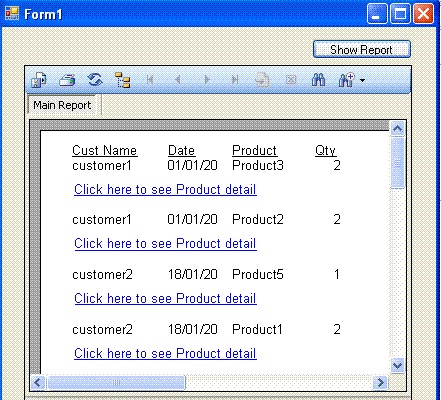
The following program shows how to create a Crystal Report On Demand Subreport in C#.All C# Crystal Reports Tutorial in this website is based on the following database - crystaldb. So before you begin this section , please take a look at the database structure of crystaldb - Click Here C# crystaldbIf you are new to Crystal Reports and do not know how to create Crystal Reports from C# , please take a look at the section step by step tutorial for creating a Crystal Reports from C#.In the previous section of C# Crystal Reports sub-reports is described how to insert a subreport in Crystal Reports . In the previous section the sub report is displayed directly under each row details of main report .The following section explains how to display subreport when the user click in a hyper link in the main Crystal Report . In this case the sub report has only a link to the main Report . That is when the user click the link , then only the subreport display , it is called On Demand Report .


This section is the continuation of the previous section C# Crystal Reports sub-reports. Here we are creating a Sub report in Crystal Report and make a link in the main Crystal Reports for on-demand subreport.
Select the subreport object in the Crystal Reports and right click , then select Format Object .


Then you will get the Format Editor . Select Sub report tab from Format Editor , you can find there a check box - On-demand Subreport . You have to select that check box , then the sub report become as a link in your main Crystal Reports. If you want to change the title , you can change it in subreport name textbox. 


Finally click OK button.


Now the designing part is over and the next step is to call the Crystal Reports in CSharp and view it in Crystal Reports Viewer control .
Now the designing part is over and the next step is to call the Crystal Reports in C# and view it in Crystal Reports Viewer control .
You have to include CrystalDecisions.CrystalReports.Engine in your C# Source Code.
using CrystalDecisions.CrystalReports.Engine;
using CrystalDecisions.Shared;
Copy and paste the following source code and run your C# project

using System;
using System.Windows.Forms;
using CrystalDecisions.CrystalReports.Engine;
using CrystalDecisions.Shared;

namespace WindowsApplication1
{
    public partial class Form1 : Form
    {
        public Form1()
        {
            InitializeComponent();
        }

        private void button1_Click(object sender, EventArgs e)
        {
            ReportDocument cryRpt = new ReportDocument();
            cryRpt.Load(PUT CRYSTAL REPORT PATH HERE\\CrystalReport1.rpt");
            crystalReportViewer1.ReportSource = cryRpt;
            crystalReportViewer1.Refresh();
        }
    }
}

      Please write Your Comments and Suggestions about this post......


Is this Page informative for you?? If Yes Please Pay your Donations to make this Blog as a website using below link

                                                        Donation Amounts


Worlds Best Tourist Places-> Kerala Tourism Informations


Tourist Places In Kerala


Kovalam, Kerala


Kumarakom_Kerala_India


Kerala tourism stands synonymous for its eco-tourism initiatives.Kerala tours of India primarily consist of pay a visit to to Hindu temples depicting Hindu architecture, sunny beaches of South India

Kerala is termed by Nationwide Geographic as certainly one of the 10 paradises on planet Earth. Kerala tourism stands synonymous for its eco-tourism initiatives. It demography and its diversified cultural background stands as much as an ideal mix of a tourist destinations. Kerala tours of India primarily consist of pay a visit to to Hindu temples depicting Hindu architecture, sunny beaches of South India, backwaters and some also incorporate go to to Ayurvedic Spa and natural therapy centers.

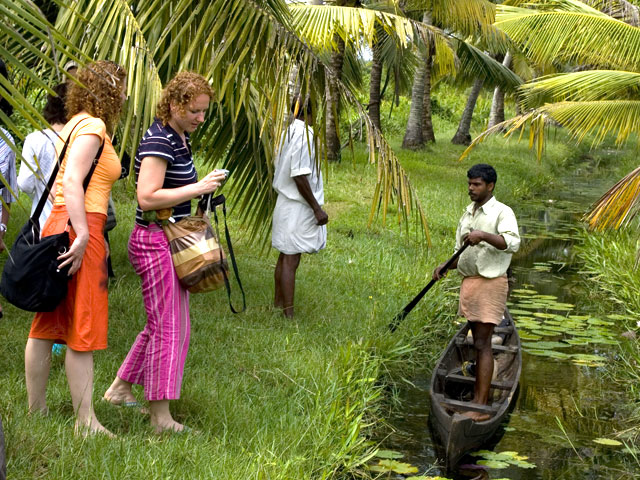
Kerala delivers existence in houseboats, that is really equivalent towards the gondolas from the Venice. Most travelers adore staying in them, which can be fairly a distinctive expertise for that very first time travelers. They adore to remain inside the houseboats floating amidst cool, very and serene.

It also has a variety of pilgrimage centers that type beautiful tourist spots and are mainly included in Kerala tour deals. There’s no scarcity of tourist vacation spot in Kerala. It is possible to take a look at the spot for weeks and however there will likely be some put which will nonetheless be left unexplored and can make you return to Kerala subsequent time.


There are a number of tour deals offered by Kerala tourism that contain Honeymoon Tour, Kerala Ayurveda tour, Spiritual tour, Kerala Backwater tours, Wildlife tour, Kerala seashore holidays and much more.This tour allows you to investigate the majestic elegance of nature, get pleasure from the serenity of temples, admire the historic Hindu architecture and offer peace for that human physique. It’s a best spot that provides comprehensive satisfaction for that head, physique and soul.Kerala, a state situated upon the tropical Malabar Coast of south-western India, is among the a lot of well-known tourist destinations inside the world.

 Named as among the ten paradises of the world by the National Geographic Traveler, Kerala tourism is renowned specially for it’s ecotourism initiatives. It’s particular culture as well as traditions, coupled along with it’s varied demography, has produced Kerala among the a lot of well-known tourist destinations inside the world. Growing in a rate of 20%, the tourism market can be a significant supplier to the state’s economy.

Kerala can be a gateway to the promised land.Kerala tourism provides an enchanting encounter along with it’s attractive landscapes, brain drifting backwaters, stupefying mounds, wildlife parks as well as sanctuaries, tea woodlet, as well as supreme merely not the to the lowest degree, it’s dazing sun-kissed beaches.

Along with the hosts of holidaymakers as well as travelers traveling to Kerala for spending holidays, kerala tour packages is fresh at amazing strides.Set-apart from an superb getaway to nature, tourism in kerala is besides redefined as Kerala Wellness Tourism, Kerala Backwater Tourism, Kerala Civilization Tourism, Kerala Beach Tourism, as well as a lot of another far more such. Kerala takes pridefulness in goes among the a lot of former civilizations upon the face of the world.Historians intimate which Kerala culture can be a blend of many cultures, several traditions, practises as well as notions like a event of interaction of Indian and also overseas cultures.A mixture of performing arts such as Koodiyattom, a type of drama or theatre as well as UNESCO-listed human heritage art; Kathakali, a dance dramatic play which renders ancient epics; Kerala natanam, a favourite offshoot of Kathakali; Koothu, a beaming clowning performance synonymous to modern-day stand-up clowning; Mihiniyattam, the dancing of the enchantress that can be a choreographed public presentation by women played along by music as well as voices, as well as many far more art public presentations are extraordinary to Kerala.


Kovalam


Deals Of The Day From Amazon


Location: Just 16 km from Thiruvananthapuram city, South Kerala.

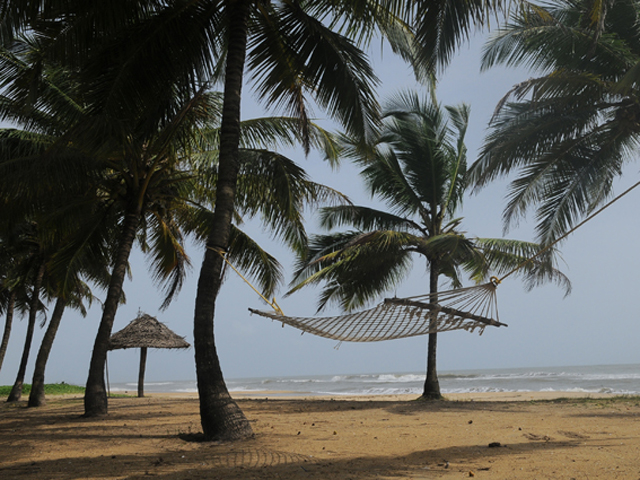
Kovalam is an internationally renowned beach with three adjacent crescent beaches. It has been a favourite haunt of tourists, especially Europeans, since the 1930s. A massive rocky promontory on the beach has created a beautiful bay of calm waters ideal for sea bathing.

The leisure options at this beach are plenty and diverse. Sunbathing, swimming, herbal body toning massages, special cultural programmes and catamaran cruising are some of them. The tropical sun acts so fast that one can see the faint blush of coppery tan on the skin in a matter of minutes. Life on the beach begins late in the day and carries on well into the night. The beach complex includes a string of budget cottages, Ayurvedic health resorts, convention facilities, shopping zones, swimming pools, Yoga and Ayurvedic massage centres.

Thiruvananthapuram, the capital city of Kerala, is just 16 km away from Kovalam and getting there is no hassle. But if you are on holiday it is better to stay in Kovalam and visit the city.

The City of Thiruvananthapuram has interesting places to see like the Napier Museum, the Sri Chitra Art Gallery, the Padmanabhaswamy Temple, Ponmudi hill station etc. SMSM Institute, a State owned handicrafts emporium, is the ideal place to pick up ethnic curios and other articles.

Best time to visit: September to March, though it is an all-year-round destination.
Getting there:

Nearest railway station: Thiruvananthapuram Central, about 16 km.
Nearest airport: Thiruvananthapuram International Airport, about 10 km.

Kumarakom


Location: 16 km away from Kottayam town, Central Kerala.

The village of Kumarakom is a cluster of little islands on the Vembanad Lake, and is part of the Kuttanad region. The bird sanctuary here, which is spread across 14 acres is a favourite haunt of migratory birds and an ornithologist's paradise. Egrets, darters, herons, teals, waterfowls, cuckoo, wild duck and migratory birds like the Siberian Stork visit here in flocks and are a fascinate the visitors.

An enchanting backwater destination, Kumarakom offers visitors many other leisure options. Boating and fishing facilities are available at the Taj Garden Retreat, a sprawling old bungalow-turned-resort.

Waterscapes, the backwater resort of the Kerala Tourism Development Corporation has independent cottages built on stilts, set amidst coconut groves and panoramic view of the backwaters. Holiday packages involving houseboats, traditional Kettuvalloms (rice barges) offer great experiences.
Getting there:

Nearest railway station: Kottayam, about 16 km.
Nearest airport: Cochin International Airport, about 76 km from Kottayam town.


Munnar


It is one of the attractions that contributed to Kerala's popularity as a travel destination among domestic and foreign travellers. Situated at the confluence of three mountain streams - Muthirapuzha, Nallathanni and Kundala, and perched about 1600 m above sea level, the hill station of Munnar once used to be the summer resort of the erstwhile British administration in south India.

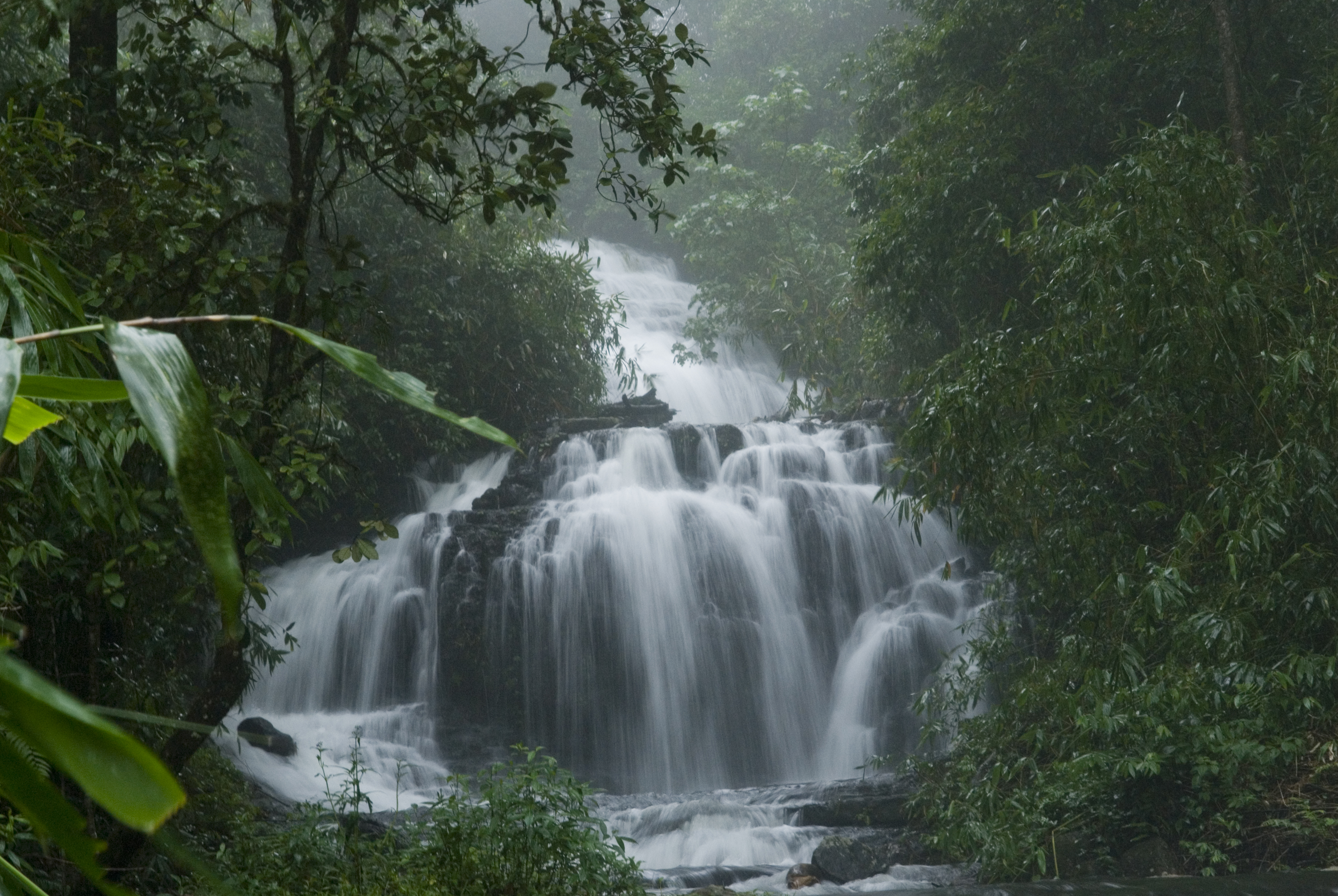
This hill station is marked by vast expanses of tea plantations, colonial bungalows, rivulets, waterfalls and cool weather. It is also an ideal destination for trekking and mountain biking.

Let us now explore some of the options in and around Munnar that would provide travellers ample opportunities to enjoy the captivating hill station of Munnar.
Eravikulam National Park
One of the main attractions near Munnar is the Eravikulam National Park. Located about 15 km from Munnar, this park is famous for its endangered inhabitant - the Nilgiri Tahr. Spread over an area of 97 sq. km., this park is also home to several species of rare butterflies, animals and birds. A great place for trekking, the park offers a magnificent view of the tea plantations and also the rolling hills caressed by blankets of mists. The park becomes a hot destination when the hill slopes here get covered in a carpet of blue, resulting from the flowering of Neelakurinji. It is a plant endemic to this part of the Western Ghats which blooms once in twelve years. The last time it bloomed was in 2006.
Anamudi Peak
Located inside the Eravikulam National Park is the Anamudi Peak. This is the highest peak in south India standing at a height of over 2700 m. Treks to the peak are allowed with permission from the Forest and Wildlife authorities at Eravikulam.
Mattupetty
Another place of interest, located about 13 km from Munnar Town, is Mattupetty. Situated at a height of 1700 m above sea level, Mattupetty is known for its storage masonry dam and the beautiful lake, which offers pleasurable boat rides, enabling one to enjoy the surrounding hills and landscape. Mattupetty's fame is also attributed to the dairy farm run by the Indo-Swiss Livestock Project, where one would come across different high yielding breeds of cows. Mattupetty with its lush green tea plantations, rolling grasslands and the Shola forests is also ideal for trekking and is home to a variety of birds.
Pallivasal
Pallivasal, located at about 3 km from Chithirapuram in Munnar is the venue of the first Hydro-electric project in Kerala. It is a place of immense scenic beauty and is often favoured by visitors as a picnic spot.
Chinnakanal
Near the town of Munnar is Chinnakanal and the waterfalls here, popularly known as Power House Waterfalls, cascade down a steep rock 2000 m above sea level. The spot is enriched with the scenic view of the Western Ghat ranges.
Anayirangal
When you have traveled about seven kilometers from Chinnakanal, you reach Anayirangal. Anayirangal, 22 km from Munnar, is a lush green carpet of tea plants. A trip on the splendid reservoir is an unforgettable experience. The Anayirangal dam is surrounded by tea plantations and evergreen forests.
Top Station
Top Station, which is about 32 km from Munnar is at a height of 1700 m above sea level. It is the highest point on the Munnar-Kodaikanal road. Travellers to Munnar make it a point to visit Top Station to enjoy the panoramic view it offers of the neighbouring state of Tamil Nadu. It is one of the spots in Munnar to enjoy the Neelakurinji flowers blooming over a vast area.
Tea Museum
Munnar has a legacy of its own when it comes to the origins and evolution of tea plantations. Taking account of this legacy and to preserve and showcase some of the exquisite and interesting aspects on the genesis and growth of tea plantations in Kerala's high ranges, a museum exclusively for tea was opened some years ago by Tata Tea in Munnar. This Tea Museum houses curios, photographs and machineries; all of which have a story to tell on the origins and growth of tea plantations in Munnar. The museum is located at the Nallathanni Estate of Tata Tea in Munnar and is worth a visit.
Getting there:

Nearest railway stations: Theni (Tamil Nadu), about 60 km away; Aluva about 110 km away.
Nearest airports: Madurai (Tamil Nadu), about 140 km away; Nedumbassery International Airport, about 125 km away.


Thekkady (Periyar Tiger Reserve), Idukki


Altitude: 900-1800 m above sea level
Rainfall: 2500 mm

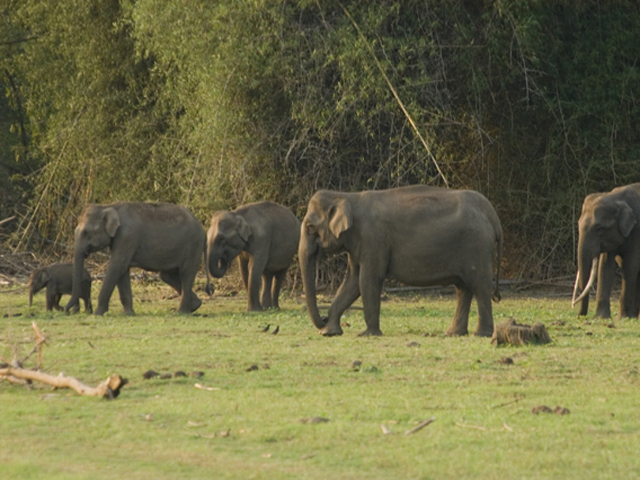
The very sound of the word Thekkady conjures up images of elephants, unending chains of hills and spice scented plantations. The Periyar forests of Thekkady is one of the finest wildlife reserves in India. Spread across the entire district are picturesque plantations and hill towns that hold great opportunities for treks and mountain walks.
Road

There are frequent buses from Kumily (4 km away) to various tourist centres.

Distances of a few major towns from Thekkady
Kumily: 4 km (15 mts) Sabarimala via
Pullumedu: 50 km (2 hrs)
Idukki: 65 km (2 1/2 hrs)
Munnar: 106 km (4 hrs)
Kumarakom: 128 km (4 hrs) Sabarimala via
Erumeli: 134 km (4 hrs)
Kodaikanal: 149 km (5 hrs)
Alappuzha: 164 km (5 hrs)
Kollam: 220 km (6 hrs)
Ooty: 390 km (11 hrs)
Bus timings from Kumily:
Thekkady: 0930, 1045, 1130, 1200, 1230, 1330, 1530 hrs
Kumarakom: 0700 hrs
Munnar: 0600, 0945, 1330 hrs
Ernakulam (Kochi) : 0700, 1330, 1515, 1630,1715, 1930 hrs
Thiruvananthapuram (from Kumily): 0840, 1530, 1615 hrs; (from Thekkady): 0820, 1515 hrs
Kottayam: Frequent buses
Alappuzha:1115 hrs
Cherthala: 1415 hrs
Idukki:Frequent buses
Chennai: 1630, 1900 hrs
Pondicherry: 1630 hrs
Madurai: 0115, 0515, 0525, 0645, 0716, 0720, 0730, 0755, 0835, 0940, 1030, 1045, 1120, 1155, 1300, 1315, 1320, 1420, 1515, 1540, 1550, 1650, 1705, 1800, 1840, 1905, 2045 hrs
Dindigal: Frequent buses
Kodaikanal: There is no direct bus from Kumily to Kodaikanal. The Dindigal bus takes you to Pathalakundu from where there are frequent buses to Kodaikanal (149 km)
Trichy: 0855, 1045, 1925 hrs Palani: 0930, 1135, 1830, 1850 hrs.
Flora
Over 1965 flowering plants including 171 grass species 143 species of orchids. The only south Indian conifer Podocarpus wallichianus grows in the forests of Periyar Tiger Reserve.
Fauna
Mammals: Thirty five species which include the Asian elephant, Indian bison, sambar deer, Indian wild dog, Barking deer, Smooth-coated otter which can be sighted during a boat cruise in the Periyar Lake. The Nilgiri tahr is confined to the higher rocky areas whereas the endangered lion tailed macaque can be found in the interior evergreen forests. Both the bonnet macaques and Nilgiri langur can be seen foraging from the trees near the boat landing. Malabar giant squirrel is omnipresent.
Birds: 265 species including migrants. The Malabar grey hornbill, The Indian pied hornbill, Whitebellied Treepie, many species of drongos, woodpeckers, flycatchers, babblers, the spectacular Malabar trogon, etc can be seen near the boat landing.
Reptiles: Cobra, viper, krait, a number of non-poisonous snakes, and the Indian monitor lizard.
Amphibians: Frogs like the colorful Malabar gliding frog, fungoid frog, bicolored frog, many species of toads, and limbless caecilians.
Pisces (fish): The Periyar lake and streams have several species of fish including the masheer, the famous and endangered game fish of India. The Smooth-coated otter can be frequently spotted from the boat.
Plantations: Tea, cardamom, pepper and coffee plantations abound in the areas adjoining the Tiger Reserve.
Watch Towers: There are a few watch towers inside Periyar Tiger Reserve which are excellent for viewing wildlife. Reservations can be made at the Forest Information Centre, Thekkady. Ph: 322028.
Permitting authority: The Wildlife Preservation Officer, Periyar Tiger Reserve, Thekkady.


Varkala


Location: 51 km north of Thiruvananthapuram city in Thiruvananthapuram district and 37 km south of Kollam, south Kerala.

Varkala, a calm and quiet hamlet, lies on the outskirts of Thiruvananthapuram district. It has several places of tourist interests like a beautiful beach, a 2000-year-old Vishnu Temple and the Ashramam - Sivagiri Mutt a little distance from the beach.

At the serene Varkala beach is a quiet sea resort rich in mineral water springs. A dip in the holy waters at this beach is believed to purge the body of impurities and the soul of all sins; hence the name 'Papanasam beach'.

A two thousand year old shrine the Janardhanaswamy Temple stands on the cliffs overlooking the beach, a short distance away. The Sivagiri Mutt, founded by the great Hindu reformer and philosopher Sree Narayana Guru (1856 - 1928) is also close by. The Samadhi (the final resting place) of the Guru here attracts thousands of devotees every year during the Sivagiri Pilgrimage days - 30th December to 1st January. Sree Narayana Guru propagated the ideology: "one caste, one religion and one god", in a society torn by the taboos of caste system.

Varkala offers excellent accommodation facilities for tourists and is fast becoming a popular health resort with many Ayurvedic massage centres.

Attractions: Beach, mineral water springs, the Sivagiri Mutt and a 2000-year- old Vishnu Temple.
Getting there:

Nearest railway station: Varkala, about 3 km away.
Nearest airport: Thiruvananthapuram International Airport, about 57 km away.


Wayanad


Buy products From Amazon.com.. World's Largest Online Store


 Please write Your Comments and Suggestions about this post......

Tuesday, 5 June 2012

cloud computing


What cloud computing really means ??


The next big trend sounds nebulous, but it's not so fuzzy when you view the value proposition from the perspective of IT professionals
Cloud computing is all the rage. "It's become the phrase du jour," says Gartner senior analyst Ben Pring, echoing many of his peers. The problem is that (as with Web 2.0) everyone seems to have a different definition.
As a metaphor for the Internet, "the cloud" is a familiar cliché, but when combined with "computing," the meaning gets bigger and fuzzier. Some analysts and vendors define cloud computing narrowly as an updated version of utility computing: basically virtual servers available over the Internet. Others go very broad, arguing anything you consume outside the firewall is "in the cloud," including conventional outsourcing.
Cloud computing comes into focus only when you think about what IT always needs: a way to increase capacity or add capabilities on the fly without investing in new infrastructure, training new personnel, or licensing new software. Cloud computing encompasses any subscription-based or pay-per-use service that, in real time over the Internet, extends IT's existing capabilities.
Cloud computing is at an early stage, with a motley crew f providers large and small delivering a slew of cloud-based services, from full-blown applications to storage services to spam filtering. Yes, utility-style infrastructure providers are part of the mix, but so are SaaS (software as a service) providers such as Salesforce.com. Today, for the most part, IT must plug into cloud-based services individually, but cloud computing aggregators and integrators are already emerging.

How cloud computing works?
Let's say you're an executive at a large corporation. Your particular responsibilities include making sure that all of your employees have the right hardware and software they need to do their jobs. Buying computers for everyone isn't enough -- you also have to purchase software or software licenses to give employees the tools they require. Whenever you have a new hire, you have to buy more software or make sure your current software license allows another user. It's so stressful that you find it difficult to go to sleep on your huge pile of money every night.
Soon, there may be an alternative for executives like you. Instead of installing a suite of software for each computer, you'd only have to load one application. That application would allow workers to log into a Web-based service which hosts all the programs the user would need for his or her job. Remote machines owned by another company would run everything from e-mail to word processing to complex data analysis programs. It's called cloud computing, and it could change the entire computer industry.
In a cloud computing system, there's a significant workload shift. Local computers no longer have to do all the heavy lifting when it comes to running applications. The network of computers that make up the cloud handles them instead. Hardware and software demands on the user's side decrease. The only thing the user's computer needs to be able to run is the cloud computing system's interface software, which can be as simple as a Web browser, and the cloud's network takes care of the rest.
There's a good chance you've already used some form of cloud computing. If you have an e-mail account with a Web-based e-mail service like Hotmail, Yahoo! Mail or Gmail, then you've had some experience with cloud computing. Instead of running an e-mail program on your computer, you log in to a Web e-mail account remotely. The software and storage for your account doesn't exist on your computer -- it's on the service's computer cloud.
Closely related to SaaS, Web service providers offer APIs that enable developers to exploit functionality over the Internet, rather than delivering full-blown applications. They range from providers offering discrete business services -- such as Strike Iron and Xignite -- to the full range of APIs offered by Google Maps, ADP payroll processing, the U.S. Postal Service, Bloomberg, and even conventional credit card processing services.
Another SaaS variation, this form of cloud computing delivers development environments as a service. You build your own applications that run on the provider's infrastructure and are delivered to your users via the Internet from the provider's servers. Like Legos, these services are constrained by the vendor's design and capabilities, so you don't get complete freedom, but you do get predictability and pre-integration. Prime examples include Salesforce.com's Force.com,Coghead and the new Google App Engine. For extremely lightweight development, cloud-basedmashup platforms abound, such as Yahoo Pipes or Dapper.net.
One of the oldest forms of cloud computing, a managed service is basically an application exposed to IT rather than to end-users, such as a virus scanning service for e-mail or an application monitoring service (which Mercury, among others, provides). Managed security services delivered by SecureWorks, IBM, and Verizon fall into this category, as do such cloud-based anti-spam services as Postini, recently acquired by Google. Other offerings include desktop management services, such as those offered by CenterBeam or Everdream.
A hybrid of SaaS and MSP, this cloud computing service offers a service hub that users interact with. They're most common in trading environments, such as expense management systems that allow users to order travel or secretarial services from a common platform that then coordinates the service delivery and pricing within the specifications set by the user. Think of it as an automated service bureau. Well-known examples include Rearden Commerce and Ariba.
The integration of cloud-based services is in its early days. OpSource, which mainly concerns itself with serving SaaS providers, recently introduced the OpSource Services Bus, which employs in-the-cloud integration technology from a little startup called Boomi. SaaS provider Workday recently acquired another player in this space, CapeClear, an ESB (enterprise service bus) provider that was edging toward b-to-b integration. Way ahead of its time, Grand Central -- which wanted to be a universal "bus in the cloud" to connect SaaS providers and provide integrated solutions to customers -- flamed out in 2005.

x


1. SaaS
This type of cloud computing delivers a single application through the browser to thousands of customers using a multitenant architecture. On the customer side, it means no upfront investment in servers or software licensing; on the provider side, with just one app to maintain, costs are low compared to conventional hosting. Salesforce.com is by far the best-known example among enterprise applications, but SaaS is also common for HR apps and has even worked its way up the food chain to ERP, with players such as Workday. And who could have predicted the sudden rise of SaaS "desktop" applications, such as Google Apps and Zoho Office?
2. Utility computing
The idea is not new, but this form of cloud computing is getting new life from Amazon.com, Sun, IBM, and others who now offer storage and virtual servers that IT can access on demand. Early enterprise adopters mainly use utility computing for supplemental, non-mission-critical needs, but one day, they may replace parts of the datacenter. Other providers offer solutions that help IT create virtual datacenters from commodity servers, such as 3Tera's AppLogic and Cohesive Flexible Technologies' Elastic Server on Demand. Liquid Computing's LiquidQ offers similar capabilities, enabling IT to stitch together memory, I/O, storage, and computational capacity as a virtualized resource pool available over the network.

3. Web services in the cloud
4. Platform as a service
5. MSP (managed service providers)
6. Service commerce platforms
7. Internet integration
Today, with such cloud-based interconnection seldom in evidence, cloud computing might be more accurately described as "sky computing," with many isolated clouds of services which IT customers must plug into individually. On the other hand, as virtualization and SOA permeate the enterprise, the idea of loosely coupled services running on an agile, scalable infrastructure should eventually make every enterprise a node in the cloud. It's a long-running trend with a far-out horizon. But among big metatrends, cloud computing is the hardest one to argue with in the long term.
 Please write Your Comments and Suggestions about this post......


Mahindra Scorpio Review


Mahindra Scorpio Review


Mahindra Scorpio's design has been an eye-catcher among SUVs and has bagged many an award for its styling. Designed completely in-house by Mahindra, it has been one of the major success stories in India.
Interior


Scorpio's interiors look quite modern with a nicely rounded and organic-looking dashboard with large buttons and knobs. The front seats are pretty comfortable and offer the best lower back support. Air con vents in between the front seats have effective cooling for rear passengers.
Engine


The m-Hawk engine makes use of 2nd generation Bosch common rail injection system with solenoid injectors. The 4 cylinder, m-Hawk features VGT develops 290 Nm of torque in a wide range of 1600-2800rpm. The VGT will help to eliminate turbo lag. It develops 120bhp and can reach 60kmph from zero in just 5.7 seconds. All this is possible because the light weight mHawk engine, with its all-aluminium cylinder heads is tuned for power.

A decrease in gross weight, coupled with a reduction in base engine friction, ensures that parasitic losses of power are seriously lowered and acceleration gets even better. The sporty bonnet scoop provides a direct passage for air to rush into the mHawk's top-mounted intercooler. The intercooler, in turn, directs this air into passages to optimise engine cooling. The reduced mass of the m-Hawk will also help in improvement of dynamics, the m-Hawk engine is built from aluminium alloy and hence it is 60kg lighter than the current 2.6L CRDe engine.
Ride and Handling


The Scorpio's chassis is extremely rigid and stiff and you don't get any rattles. The suspension is very supple and in city traffic or at low speeds, it glides over the road, the soft suspension working noiselessly to filter out the bumps. Even on rough or bad road, at least when driven at low speeds, the suspension copes pretty well. The steering and other controls are pretty light, which makes it o easy to drive in town.
Convenience
There is also tyre pressure monitoring system which tells you the exact air pressure and temperature of each tyre. The sensors located in each tyre monitor pressure and temperature and any unwanted changes in either will immediately flash on the instrument cluster, ensuring a smooth and enjoyable driving experience.

The advanced Intellipark system allows you to keep a look out for anything happening behind you without having to turn your head. Moreover, reversing ultrasonic sensors in the rear help you judge the distance between the vehicle and anything in its way. A sophisticated warning system allows you to judge the location of any obstacle in the rear view mirror.
Safety
The Mahindra Scorpio comes with advanced safety features that include three rear seatbelts, a collapsible steering column and intrusion beams. The Scorpio also has crash protecting crumple zones, for additional protection of its occupants from the impact of collisions.

Buy products From Amazon.com.. India's Largest Online Store
How to order Items from Flipkart.com From India( You Tube Video)??
Verdict
The Scorpio with its sturdy looks and powerful performance, the automobile has set a benchmark for the design of SUVs. It has undergone many modifications since its launch in India, in 2002 and now offers all the elements of comfort and ruggedness that are expected from a present-day SUV. The car rules the off-road tracks and is a head turner in the busy urban traffic.


scorpio micro hybrid
Your spanking new Scorpio's parked in the backyard, freshly washed, glinting in the sunlight and begging to be taken for a ride. You succumb to its entreaties, pick up the keys and jump in, a tune on your lips. you settle into the driver's seat, adjust the mirrors. slip your favourite CD into the audio system, turn up the engine settles into a steady idle' you engage first and you're off. The Scorpio's running smoothly and the new-car smell hovers around your nostrils.
scorpio micro hybrid
You smile - everything's as it should be. In the distance, you see cars slowing down as the traffic signal turns from amber to red. You shed speed accordingly, downshifting until you come to a gentle halt, and you put the Scorpio into neural. Just over two seconds later, the engine cuts out automatically. 'whoal what's going on?! you wonder. Panic floods you, with visions of breakdown vans and irate motorists standing on their horns behind you. The it hits - you're driving the Scorpio Micro Hybrid.

scorpio micro hybrid
Relieved, and feeling sheepish at having forgotten you wait for the light to turn green, depress the clutch pedal and continue on your merry way. If you're wondering what that was all about, It's quite simple. In this, the latest iteration of their best-selling Scorpio, Mahindra have incorporated what they call a 'Fuelsmart system with Micro Hybrid technology'. Before you ask, the answer is no,there's no electric motor whirring away as a sidekick to the IC engine and yes, the name is therefore a bit misleading, perhaps even gimmicky. What is it, then? I essence, it's lke a rather simple cut-off switch. The technology, developed by M&M and Bosch, enables the vehicle to detech movement while you're driving.
scorpio micro hybrid
When you've slowed down to a complete halt, and after you've engaged neutral, the system kicks in and cuts off the engine after 2 seconds. When you're good to go again, all you do is depress the clutch pedal and the engine starts up. The benefits of this feature are obvious, on the face of it. Te less time your engine spends running, the less fuel it consumes - that isn't exactly rocket science, is it? Additionally, when the engine's not running, it's not spewing noxious gases into the atmosphere - another plus. How does it work in the real world, though? The answer is 'well but not without drawbacks'. When you're waiting at a traffic light , it's all right to have the engine cut out for a couple of minutes and then re-start itself when you depress the clutch.

scorpio micro hybrid

                                         
 Please write Your Comments and Suggestions about this post......